Hebrews 9:11–22
The Message: The Bible in Contemporary LanguageOther versions
English
- MSG The Message: The Bible in Contemporary Language
- DARBY 1890 Darby Bible
- ASV American Standard Version
- AV 1873 The Cambridge Paragraph Bible of the Authorized English Version
- CSB Christian Standard Bible
- D-R Douay-Rheims Bible
- ESV English Standard Version
- GW GOD’S WORD Translation
- GNB Good News Translation
- HCSB The Holman Christian Standard Bible
- KJV 1900 King James Version
- LSB Legacy Standard Bible
- LEB The Lexham English Bible
- NET The NET Bible
- NASB95 New American Standard Bible (1995)
- NCV New Century Version
- NIrV New International Reader’s Version (1998)
- NIV New International Version (2011)
- NKJV The New King James Version
- NLT New Living Translation
- NRSVue New Revised Standard Version: Updated Edition
- RSV The Revised Standard Version
- RSVCE The Revised Standard Version, Catholic Edition
- YLT Young’s Literal Translation
Arabic
Czech
French
German
Greek
Hungarian
Italian
Korean
Latin
Portuguese
Russian
Simplified Chinese
Spanish
Traditional Chinese
Pointing to the Realities of Heaven
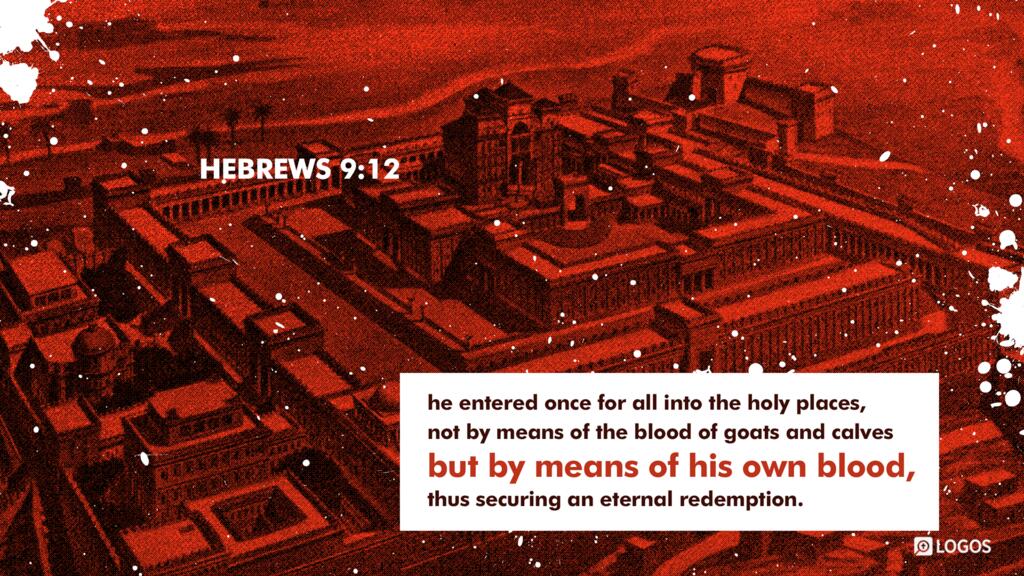
11–15But when the Messiah arrived, high priest of the superior things of this new covenant, he bypassed the old tent and its trappings in this created world and went straight into heaven’s “tent”—the true Holy Place—once and for all. He also bypassed the sacrifices consisting of goat and calf blood, instead using his own blood as the price to set us free once and for all. If that animal blood and the other rituals of purification were effective in cleaning up certain matters of our religion and behavior, think how much more the blood of Christ cleans up our whole lives, inside and out. Through the Spirit, Christ offered himself as an unblemished sacrifice, freeing us from all those dead-end efforts to make ourselves respectable, so that we can live all out for God.
16–17Like a will that takes effect when someone dies, the new covenant was put into action at Jesus’ death. His death marked the transition from the old plan to the new one, canceling the old obligations and accompanying sins, and summoning the heirs to receive the eternal inheritance that was promised them. He brought together God and his people in this new way.
18–22Even the first plan required a death to set it in motion. After Moses had read out all the terms of the plan of the law—God’s “will”—he took the blood of sacrificed animals and, in a solemn ritual, sprinkled the document and the people who were its beneficiaries. And then he attested its validity with the words, “This is the blood of the covenant commanded by God.” He did the same thing with the place of worship and its furniture. Moses said to the people, “This is the blood of the covenant God has established with you.” Practically everything in a will hinges on a death. That’s why blood, the evidence of death, is used so much in our tradition, especially regarding forgiveness of sins.
Copyright 2005 Eugene H. Peterson.