The Future of Bible Study Is Here.
 Loading…
A service of Logos Bible Software
68:title–35 Psalm 68 contains various themes, suggesting it is a collection of songs brought together. Israelites most likely sang this psalm during a procession as the ark of the covenant returned from battle. It is a praise psalm, praising God for providing victory. The psalmist rejoices that God will rise and scatter his enemies (vv. 1–3), then praises God for protecting the impoverished and helpless (vv. 4–6). The psalmist describes God’s power and provision in bringing His people through the wilderness into the promised land (vv. 7–10). He repeats a victory song (vv. 11–14) and describes the glory of God’s mountain—Zion, the temple mount in Jerusalem (vv. 15–18). The psalmist then blesses God for delivering them from their enemies (vv. 19–23) and describes the procession of the ark of the covenant (vv. 24–27). Finally, the psalmist summons God to destroy enemy nations (vv. 28–31) and encourages these nations to praise God for His power and strength (vv. 32–35). |
68:title music director See note on 4:title.
Of David. A psalm See note on 3:title.
68:1 This verse quotes the song of the ark,
|
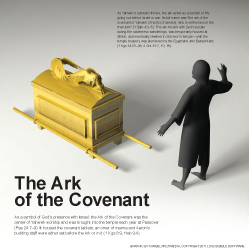
68:3 the righteous will be glad The righteous respond to God’s presence with joy, since He provides protection for them and destroys their enemies.
68:5 A father to orphans Portrays God as one who protects the most vulnerable. The ot law contained special provisions to protect orphans and widows, who were often oppressed or mistreated (Exod 22:22–24; Deut 24:19–21). God’s provision for them reveals His compassion, as well as His justice (Deut 10:18).
is God in his holy habitation Probably refers to the temple. See note on Ps 26:8.
68:6 the rebellious abide in a barren land While God protects and provides for the poor and needy, He also punishes the rebellious.
68:7–8 The psalmist describes how God led the people through the wilderness (Exod 13:21–22). His presence is accompanied by earthquakes and storms (see Psa 18:7–19 and note), which highlight His supremacy and power. |
68:9–10 The psalmist praises God because He provides land for His people and gives rain to make it fruitful (65:9–13). |
68:9 your inheritance The term nachalah (“inheritance”) often refers to the promised land. See 47:4 and note.
68:11 Great is the company of The women who sing here are portrayed using the Hebrew word tsava, which usually describes a great host or army (see note on 103:21).
women who announce The ot contains many examples of women celebrating victory with singing or dancing (Exod 15:20–21; 1 Sam 18:6–7).
68:12 flee, they flee The tsava (“host,” “throng,” or “company”; see note on Ps 68:11) of women mocks the tseva'oth (“hosts” or “armies”) of foreign kings who flee before God’s presence.
68:13 you men lie down between the sheepfolds Indicates inaction (see Gen 49:14 and note).
68:14 Shaddai The Hebrew term used here, shaddai, is used only twice in the psalms as a name for God. See note on Ps 91:1.
 The Name Theology of the Old Testament
Zalmon A mountain near Shechem in Ephraim.
 Zalmon EDB
68:15 the mountain of Bashan Located east of the Sea of Galilee, Bashan was a noted for its fertility (see note on 22:12). In wider ancient Near Eastern religion, it was also known as the gateway to the underworld and its sinister inhabitants.
Bashan AYBD
68:16 Why do you look with hostility The psalmist addresses the mountain of Bashan, accusing it of being jealous of Zion—the temple mount in Jerusalem (compare note on v. 15). Bashan hates Zion because Zion is God’s chosen mountain (see 48:1–3; note on 48:1).
68:17 The chariots of God Describes God’s large army (Deut 33:2; 2 Kgs 6:17).
68:18 You have ascended on high This seems to describe Yahweh as a victorious king returning to the throne after battle.
68:20 to the Yahweh the Lord The Hebrew phrase used here, yhwh adonay, combines God’s personal, covenant name, Yahweh, with the general term for “master,” demonstrating that Yahweh is the ultimate master or ruler. See note on Ps 8:1.
The Name Theology of the Old Testament
68:21 God will shatter the head of his enemies God provides His deliverance and salvation by destroying His enemies.
68:22–23 In this passage, God shows how He will one day completely destroy His enemies. He will not merely scatter them (vv. 1, 14), but He will diligently search for them from the heights of the mountains to the depths of the sea to destroy them (see Amos 9:2–3). The extent of God’s destruction of His enemies reveals His power to save and protect His people (see Psa 58:10 and note). |
68:24–27 A victorious procession follows God’s victory. The psalmist describes the singers, musicians, and young girls who take part in the celebration. Benjamin and Judah represent the southern kingdom (Judah), while Zebulun and Naphtali represent the northern kingdom (Israel).
|
68:28–31 The psalmist calls on God to use His strength to destroy the enemies of His people (see note on 46:1). He refers to God’s past acts of salvation, encouraging God to display His power to save again. He compares their enemies to animals and describes them as loving war. He asserts that Egypt and Cush (Ethiopia) will be defeated and bring tribute. |
68:31 Ambassadors The Hebrew word used here, chashmannim, occurs only here in the ot. It could refer to people in high positions of authority, such as “nobles” or “ambassadors.” Alternatively, it may describe some kind of tribute or gift—likely bronze articles or dyed clothing.
Cush Designates a region of East Africa, likely including modern-day southern Egypt and northern Sudan.
68:32 O kingdoms of the earth, sing to God Rather than being destroyed by God (vv. 21–23), all nations should praise Him as the sovereign, victorious King.
68:33 a mighty voice See 29:3–9 and notes.
68:34 and his strength is in the clouds Describes the scope of God’s power, which reaches to the skies (36:5; 57:10; 108:4).
68:35 Awesome are you, O God, from your sanctuary God’s awesome deeds originate from His sanctuary in Jerusalem—the place where His name dwells (see note on 65:5; 20:2 and note).

|
About Faithlife Study BibleFaithlife Study Bible (FSB) is your guide to the ancient world of the Old and New Testaments, with study notes and articles that draw from a wide range of academic research. FSB helps you learn how to think about interpretation methods and issues so that you can gain a deeper understanding of the text. |
| Copyright |
Copyright 2012 Logos Bible Software. |
| Support Info | fsb |
Table of Contents