The Future of Bible Study Is Here.
 Loading…
A service of Logos Bible Software
23:1–20 Josiah’s reign occurred during the decline of the Assyrian Empire. As Assyria’s influence waned, a power vacuum formed in the province of Samaria (formerly the kingdom of Israel), allowing Judah to expand its northern border and extend Josiah’s religious reforms into this region (2 Kings 23:8, 19). Josiah instituted worship of Yahweh as prescribed in Deuteronomy—which supports the view that the book of the law found by Hilkiah was a version of Deuteronomy (22:8–20). |


23:1 the elders of Judah and Jerusalem Heads of prominent families who were responsible for day-to-day operations and executing justice (e.g., 1 Kgs 8:1; 20:7).
 Elder EBD
23:2 from smallest to greatest A common way of referring to the entire population (e.g., 1 Sam 30:2; Jer 31:34).
23:3 the pillar Perhaps one of the two pillars outside the temple (1 Kgs 7:15–22).
his commands and his warnings and his statutes Three different terms for the law (compare note on Psa 19:7–9).
23:4 for Baal and for the Asherah Refers to Canaanite deities (2 Kgs 17:16; 21:3–5).
Asherah EBD
Baal EBD
all the host of heaven See note on 21:3.
23:6 the Wadi Kidron Runs along Jerusalem’s eastern border; a common disposal site for idols (e.g., vv. 12; 1 Kgs 15:13; 2 Chr 15:16).

23:7 the male shrine prostitutes The Hebrew word used here, qedeshim, literally refers to “sacred, consecrated people” and is often understood to refer to male prostitutes set apart for pagan worship (also in 1 Kgs 14:24; 15:12). The notion that such people played a sexual role is inferred from Deut 23:17–18, which prohibits the daughters or sons of Israel from becoming a qedesh or qadesh (“sacred person”) and then prohibits bringing the wages of a zonah (“whore”) into Yahweh’s house.
23:8 from Geba up to Beersheba Suggests that Josiah’s reforms reached into the Assyrian province of Samaria (formerly the kingdom of Israel). The similar phrase “from Dan to Beersheba” is used to indicate all of Israel (see 1 Sam 3:20 and note; note on Jer 4:15).
the governor of the city The Hebrew word used here, sar-ha'ir, refers to the highest official in city administration (1 Kgs 22:26). It is unclear which city Joshua governs.
23:9 they ate unleavened bread in the midst of their relatives The Hebrew word matsah, meaning “unleavened cake,” could be a generic term for a grain offering (Lev 2:4–5) or refer to the unleavened cakes associated with Passover.
23:10 Topheth A cultic site just outside Jerusalem where worshipers sacrificed children to the god Molech. See 2 Kings 16:3 and note; note on Jer 7:31.
23:11 had dedicated to the sun In the ancient Near East, many cultures associated horses with the Mesopotamian sun god, Shamash, who was said to ride a horse-drawn chariot on feast days. This reference suggests that similar ideas had gained popularity in Judah.
Shemesh DDD
23:12 the Wadi Kidron See note on 2 Kings 23:6.
23:13 the Mountain of Destruction Refers to the Mount of Olives, where Solomon had built shrines to pagan gods for his foreign wives (1 Kgs 11:7). The Hebrew text contains a play on words, as the Hebrew name har hammishchah, meaning “Mount of Ointment” (the Mount of Olives) is very similar to the Hebrew for Mount (or Hill) of Corruption, har hammashchith.
Olives, Mount of ISBE
23:15 the altar that was in Bethel Established after Israel had divided, so that people in the northern kingdom of Israel did not have to travel to Jerusalem (in the southern kingdom) to worship. See 1 Kgs 12:25–33 and note.
23:16 according to the word of Yahweh Refers to 1 Kgs 13:1–3, where a man of God comes from Judah to Bethel and prophesies that Josiah will defile (ruin) the altar.
23:17 the man of God who came from Judah See 1 Kgs 13:1–34.
23:18 the prophet who had come from Samaria This prophet was buried in the same grave as the man of God from Judah (1 Kgs 13:31).
23:19 which were in the towns of Samaria The Assyrians did not destroy these shrines and high places during their campaign against Israel; the new inhabitants of the land reused them (2 Kgs 17).
23:20 he burned the bones of the humans on them In accordance with the prophecy of the man of God (1 Kgs 13:2).
23:21–27 In this passage, Josiah presides over the first centralized celebration of Passover since before the Israelites conquered the promise land (2 Kings 23:21–23), and he enacts additional reforms (v. 24). The narrator assesses the righteousness of Josiah (v. 25) and reiterates God’s verdict against Judah (vv. 26–27). The parallel account of the Passover celebration in 2 Chr 35 is significantly longer and more detailed. |
23:21 the Passover A celebration commemorating Yahweh’s deliverance of Israel from slavery and their departure from Egypt (Exod 12:1–30; Deut 16:1–8).
Passover, The HBD
23:23 in Jerusalem Josiah had eliminated all the shrines that competed with the Jerusalem temple.
23:24 the mediums and the spiritists Forbidden in Lev 20:6 and Deut 18:9–14. People who interacted with the spirit world were expelled from the land by Saul (1 Sam 28:3, 9).
the household gods The Hebrew word used here, teraphim, refers to household deities common throughout Israel’s history, since the time of the patriarchs (Gen 31:19; Judg 17:5; 1 Sam 19:13). The exact nature and function of these deities is unclear.
Teraphim EBD
the scroll that Hilkiah the priest had found See 2 Kgs 22:8–20.
23:25 There was not a king like him The author of 1–2 Kings considered Josiah to be more devoted to Yahweh than even David, who was the standard for worshipful behavior (1 Kgs 3:6; 9:4; 11:4).
with all of his heart Alludes to Israel’s central commandment in Deut 6:5.
23:26 Manasseh had provoked him See 2 Kgs 21.
23:27 from my face The repeated use of this phrase, earlier used in reference to the northern kingdom of Israel, foreshadows a similar fate for Judah. God already had exiled the kingdom of Israel (17:20, 23), expelling it from the land and scattering its inhabitants as He promised He would do if Israel did not obey Him (e.g., 1 Kgs 9:6–9).
this city that I have chosen, even Jerusalem Not until Solomon’s prayer at the temple dedication does the Bible identify Jerusalem and its temple as the place that God chooses (1 Kgs 8:29; compare Deut 12:5, 11; 14:23; 16:2, 6, 11; 26:2). No biblical account tells specifically of God choosing Jerusalem.
23:28–30 The politics of Judah’s last few kings center on their shifting allegiances between Egypt (allied with a collapsing Assyria) and Babylon. The narrative does not say why Josiah goes up to meet with Egypt and Assyria, nor why Neco kills him on sight. Neco may have believed he could gain power from killing Josiah (which he does; 2 Kgs 23:29) or he may have thought Judah was allied with Babylon (compare 20:12–13). Second Chronicles offers a longer account of Josiah’s untimely death (2 Chr 35:20–27). It also preserves the tradition that Jeremiah and others lamented Josiah (2 Chr 35:25).
|
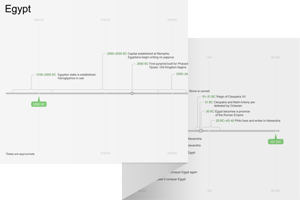
Date | Event |
609–595 bc | Reign of Pharaoh Neco II |
609 bc | Neco defeats and kills King Josiah of Judah at Megiddo |
605 bc | Babylon defeats Egypt and Assyria |
597 bc | Babylon captures Jerusalem |
23:28 the events of the days of the kings of Judah See note on 2 Kings 1:18.
23:29 Pharaoh Neco See note on Jer 46:2. Neco and his forces are responding to Assyria’s request for aid against Babylon.
the Euphrates River Pharaoh Neco thus would have had to travel through Judah and the province of Samaria.
Megiddo A city in the fertile plain of the Jezreel Valley; its origins date to 7000 bc. During their conquest of Israel, the Assyrians built a small provincial city there.
Megiddo AYBD
23:30 anointed him The anointing of kings occurs only three times in 1–2 Kings. In the case of Solomon (1 Kgs 1:45) and Jehoash (2 Kgs 11:12; see note on 1:17), it is clear that their successions take place under irregular circumstances. The same is likely true of Jehoahaz.
Jehoahaz This king who reigned only three months, ca. 609 bc, is distinct from the Israelite king with the same name who reigned much earlier (ca. 814–798 bc).
23:33 Riblah An Assyrian administrative and military center in the Lebanon Valley. Pharaoh Neco holds King Jehoahaz here until they journey to Egypt (vv. 33–34), and Nebuzaradan kills 60 of Judah’s officials here (25:19–21). See note on Ezek 6:14.
23:34 made Eliakim the son of Josiah king Neco replaces Jehoahaz with his brother, Jehoiakim; he probably does so to ensure that Judah stays unstable (see Jer 22:10 and note).
Deposing a conquered king and replacing him with one of his relatives was a means of encouraging loyalty. The new king was less likely to rebel against the one who had placed him on the throne. Eliakim (i.e., Jehoiakim) was consistently pro-Egyptian until Babylon took control of the region in 604 bc. Jehoiakim’s preference for Egypt was a point of great contention between the king and the prophet Jeremiah. Nebuchadnezzar of Babylon follows the same strategy when he replaces Jehoiachin with Zedekiah (2 Kgs 24:17–20; see note on Jer 21:1).
he changed his name to Jehoiakim Eliakim means “God will establish,” and Jehoiakim means “Yahweh will establish.” Babylonian kings often changed the names of conquered people to give them a new identity; apparently Pharaoh Neco also used this practice (2 Kgs 24:17; Dan 4:8).
23:35 The silver and the gold Jehoiakim gave to Pharaoh The nation of Judah is now a vassal state to Egypt and owes them regular tribute.
23:36–37 Although these verses offer what seem to be closing statements about Jehoiakim’s reign, the narrative about his reign continues through 2 Kgs 23:7. |

|
About Faithlife Study BibleFaithlife Study Bible (FSB) is your guide to the ancient world of the Old and New Testaments, with study notes and articles that draw from a wide range of academic research. FSB helps you learn how to think about interpretation methods and issues so that you can gain a deeper understanding of the text. |
| Copyright |
Copyright 2012 Logos Bible Software. |
| Support Info | fsb |
Table of Contents