The Future of Bible Study Is Here.
 Loading…
A service of Logos Bible Software
55:title–23 In this individual lament psalm, the psalmist is not simply afflicted by enemies—he has been betrayed by a close friend. He begins by asking God to hear him and deliver him from his enemies (vv. 1–3). He then describes his inner anguish and expresses a desire to flee (vv. 4–8). He prays for justice as he asks God to destroy his enemies (vv. 9–11). The psalmist then explains that he suffers because of a close friend (vv. 12–14). He continues his call for justice (v. 15), confident that God will hear him and redeem him (vv. 16–19). He describes the betrayal by his friend (vv. 20–21). Finally, he encourages everyone to cast their burdens on Yahweh (v. 22) and expresses confidence that God will destroy his enemies (v. 23). |
55:title music director See note on 4:title.
A maskil See note on 32:title.
55:1 Give ear, O God, to my prayer A common plea in individual lament psalms (28:2; 54:2; 61:1; 86:6).
and do not hide yourself In ot lament, individuals often express feeling abandoned by God (44:24; Job 13:24). Their suffering leads them to feel that God is far away or distant (see Ps 10:1 and note). Rather than indicating a lack a faith, these expressions show that God’s presence was believed to be accompanied by His protection (see 4:6; 13:5 and note).
55:2 Attend to me The term qashav means “to listen attentively” or “pay attention” (5:2; Job 33:31).
and answer me The psalmist appeals to God for deliverance.
55:3 they hold a grudge against The Hebrew word used here, satam, means “to hate” or “to be hostile toward.”
55:4–8 The psalmist expresses his anguish, terror, and fear. He voices a desire to run away and hide alone in the desert (Jer 48:28). |
55:9 divide their speech Possibly an allusion to the tower of Babel, where God confused the people’s language (Gen 11:5–9). The psalmist is asking God to confuse or divide his enemies (2 Sam 15:31).
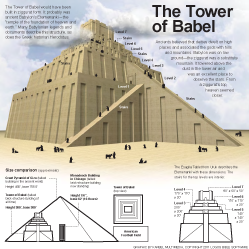
55:10 iniquity and trouble are in its midst The psalmist’s enemies bring trouble to the entire city.
55:11 oppression and deceit The psalmist laments the abundant fraud and oppression in the city. The fraud may indicate the use of dishonest scales (see Prov 11:1 and note) or charging of excessive interest (see Prov 28:8 and note).
55:12 it is not an enemy that taunts me The psalmist claims that he can deal with the taunts of the person who hates him (sane; “adversary”).
that magnifies himself The Hebrew word used here, gadal, means “to exalt” or “to magnify” (see note on Ps 34:3). Here, it carries the sense of people who exalt themselves at the expense of another.
55:13 my friend The Hebrew word used here, alluph, refers to a close friend. In Prov 2:17, it describes a spouse, although that is probably not intended here.
confidant The Hebrew word used here, meyudda', can indicate a relative (Ruth 2:1) or a close advisor or confidant (2 Kgs 10:11).
55:14 would take sweet counsel The Hebrew word used here, sod, can refer to a circle of confidants or a council (Gen 49:6; Job 15:8). Here, it reflects the unity between the psalmist and his friend.
in the house of God The psalmist describes the fellowship he used to enjoy with his friend by indicating that they went to the temple together to worship at festivals (see Ps 42:4 and note).
55:15 Sheol The Hebrew word she’ol is used here (see note on Job 14:13; note on 1 Kgs 2:6). The psalmist wishes his enemies would go to she’ol alive, which suggests that he wants them to not just experience death but the pain of the evil they have inflicted. He wants them to live where only death resides.
55:16 Yahweh will save me The psalmist is confident that God will hear his plea for help and save him.
55:17 Morning, noon and night Signifies the psalmist’s constant plea for help. He will continue to utter his complaint morning, noon, and night until God hears and responds.
55:18 He safely redeems my life The word padah (“ransom” or “redeem”) is frequently used in the context of redeeming someone from trouble or affliction (Deut 7:8).
those standing against me are among many Even though he identified an individual as the main source of his complaint (see Psa 55:13 and note), the psalmist says that many people are against him. While he suffers from betrayal by a friend, he also laments those who oppress him in general (vv. 10–11).
55:19 they do not fear God The proper response to God’s sovereignty (see note on 90:11). Fearing God includes obeying Him (Deut 6:2) and trusting Him (Ps 40:3).
 Fearing God in the Old Testament
55:21 His words were smoother than oil The words of the psalmist’s former friend are flattering (see Prov 5:3 and note) but destructive (see Prov 29:5 and note).
55:22 Cast your burden on Yahweh Those who trust Yahweh with their burdens can be sure God will sustain them and protect them (Ps 37:5).
He will never allow God will ensure that the righteous have security (see note on 10:6).
55:23 but I will trust you The psalmist fully trusts that God will sustain him and punish the wicked who oppress him.

|
About Faithlife Study BibleFaithlife Study Bible (FSB) is your guide to the ancient world of the Old and New Testaments, with study notes and articles that draw from a wide range of academic research. FSB helps you learn how to think about interpretation methods and issues so that you can gain a deeper understanding of the text. |
| Copyright |
Copyright 2012 Logos Bible Software. |
| Support Info | fsb |
Table of Contents