Get the #1 Bible app for transformative study, preaching, and teaching.
 Loading…
A service of Logos
Beersheba—well of the oath, or well of seven, a well dug by Abraham, and so named because he and Abimelech here entered into a compact (Gen. 21:31). On re-opening it, Isaac gave it the same name (Gen. 26:31–33). It was a favourite place of abode of both of these patriarchs (21:33–22:1, 19; 26:33; 28:10). It is mentioned among the “cities” given to the tribe of Simeon (Josh. 19:2; 1 Chr. 4:28). From Dan to Beersheba, a distance of about 144 miles (Judg. 20:1; 1 Chr. 21:2; 2 Sam. 24:2), became the usual way of designating the whole Promised Land, and passed into a proverb. After the return from the Captivity the phrase is narrowed into “from Beersheba unto the valley of Hinnom” (Neh. 11:30). The kingdom of the ten tribes extended from Beersheba to Mount Ephraim (2 Chr. 19:4). The name is not found in the New Testament. It is still called by the Arabs Bir es-Seba, i.e., “well of the seven”, where there are to the present day two principal wells and five smaller ones. It is nearly midway between the southern end of the Dead Sea and the Mediterranean.
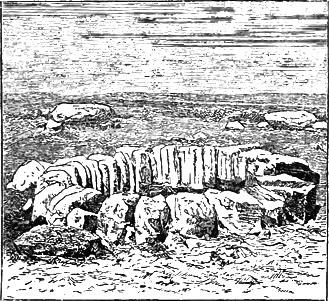
MOUTH OF ONE OF THE WELLS AT BEERSHEBA.

|
About Easton’s Bible DictionaryEaston’s Bible Dictionary provides informative explanations of histories, people and customs of the Bible. An excellent and readily understandable source of information for the student and layperson. One of Matthew George Easton’s most significant literary achievements. |
| Support Info | eastons |
Table of Contents