Proverbs 15:1–7
The NET BibleOther versions
English
- NET The NET Bible
- DARBY 1890 Darby Bible
- ASV American Standard Version
- AV 1873 The Cambridge Paragraph Bible of the Authorized English Version
- CSB Christian Standard Bible
- D-R Douay-Rheims Bible
- ESV English Standard Version
- GW GOD’S WORD Translation
- GNB Good News Translation
- HCSB The Holman Christian Standard Bible
- KJV 1900 King James Version
- LSB Legacy Standard Bible
- LEB The Lexham English Bible
- MSG The Message: The Bible in Contemporary Language
- NASB95 New American Standard Bible (1995)
- NCV New Century Version
- NIrV New International Reader’s Version (1998)
- NIV New International Version (2011)
- NKJV The New King James Version
- NLT New Living Translation
- NRSVue New Revised Standard Version: Updated Edition
- RSV The Revised Standard Version
- RSVCE The Revised Standard Version, Catholic Edition
- TNIV Today’s New International Version
- YLT Young’s Literal Translation
Arabic
Czech
French
German
Hebrew
Hungarian
Italian
Korean
Latin
Portuguese
Russian
Simplified Chinese
Spanish
Traditional Chinese
15:1A gentle response1 turns away anger,
but a harsh word2 stirs up wrath.3
15:2The tongue of the wise4 treats knowledge correctly,5
but the mouth of the fool spouts out6 folly.
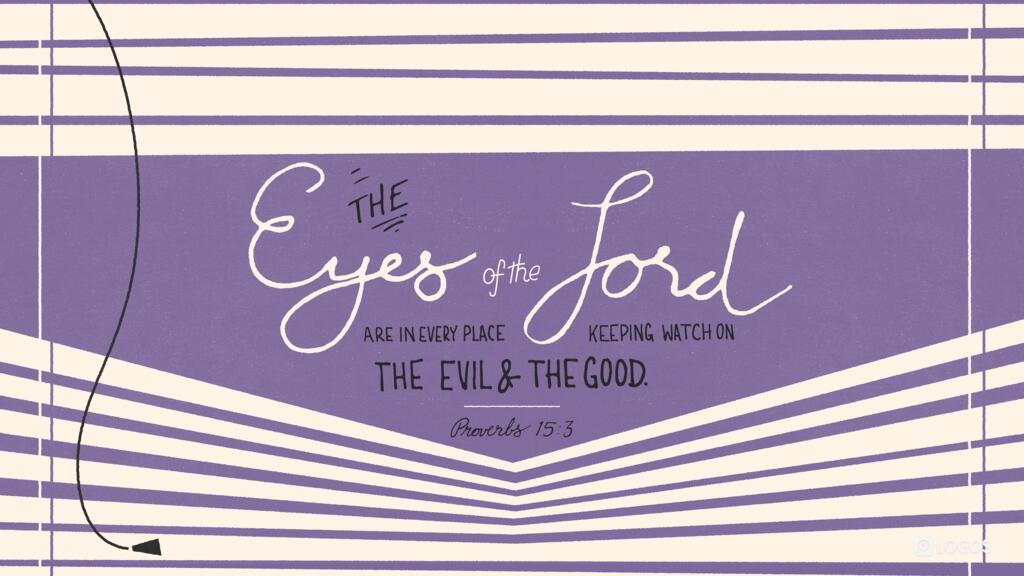
15:3The eyes of the Lord7 are in every place,
keeping watch8 on those who are evil and those who are good.
15:4Speech9 that heals10 is like11 a life-giving tree,12
but a perverse tongue13 breaks the spirit.
15:5A fool rejects his father’s discipline,
but whoever heeds reproof shows good sense.14
15:6In the house15 of the righteous is abundant wealth,16
but the income of the wicked brings trouble.17
15:7The lips of the wise spread18 knowledge,
but not so the heart of fools.19
Footnotes
- 1 Heb “soft answer.” The adjective רַּךְ (rakh, “soft; tender; gentle”; 940 ) is more than a mild response; it is conciliatory, an answer that restores good temper and reasonableness (W. McKane, Proverbs [], 477). Gideon illustrates this kind of answer (Judg 8:1–3) that brings peace.
- 2 Heb “word of harshness”; “grievous words.” The noun עֶצֶב (’etsev, “pain, hurt”) functions as an attributive genitive. The term עֶצֶב refers to something that causes pain ( 780 I עֶצֶב). For example, Jephthah’s harsh answer led to war (Judg 12:1–6).
- 3 Heb “raises anger.” A common response to painful words is to let one’s temper flare up.
- 4 The contrast is between the “tongue of the wise” and the “mouth of the fool.” Both expressions are metonymies of cause; the subject matter is what they say. How wise people are can be determined from what they say.
- 5 Or “makes knowledge acceptable” (so ). The verb תֵּיטִיב (tetiv, Hiphil imperfect of יָטַב [yatav, “to be good”]) can be translated “to make good” or “to treat in a good [or, excellent] way” (C. H. Toy, Proverbs [], ). M. Dahood, however, suggests emending the text to תֵּיטִיף (tetif) which is a cognate of נָטַף (nataf, “drip”), and translates “tongues of the sages drip with knowledge” (Proverbs and Northwest Semitic Philology, 32–33). But this change is gratuitous and unnecessary.
- 6 The Hiphil verb יַבִּיעַ (yabia’) means “to pour out; to emit; to cause to bubble; to belch forth.” The fool bursts out with reckless utterances (cf. “spout nonsense”).
- 7 The proverb uses anthropomorphic language to describe God’s exacting and evaluating knowledge of all people.
- 8 The form צֹפוֹת (tsofot, “watching”) is a feminine plural participle agreeing with “eyes.” God’s watching eyes comfort good people but convict evil.
- 9 Heb “a tongue.” The term “tongue” is a metonymy of cause for what is produced: speech.
- 10 Heb “a tongue of healing.” A healing tongue refers to speech that is therapeutic or soothing. It is a source of vitality.
- 11 The comparative “like” does not appear in the Hebrew text, but is implied by the metaphor; it is supplied for the sake of clarity.
- 12 Heb “tree of life.”
- 13 Heb “perversion in it.” The referent must be the tongue, so this has been supplied in the translation for clarity. A tongue that is twisted, perverse, or deceitful is a way of describing deceitful speech. Such words will crush the spirit (e.g., Isa 65:14).
- 14 Heb “is prudent” (so , , ); , “is wise.” Anyone who accepts correction or rebuke will become prudent in life.
- 15 The term בֵּית (bet, “house”) functions as an adverbial accusative of location.
- 16 The Hebrew noun חֹסֶן (khosen) means “wealth; treasure.” Prosperity is the reward for righteousness. This is true only in so far as a proverb can be carried in its application, allowing for exceptions. The Greek text for this verse has no reference for wealth, but talks about amassing righteousness.
- 17 Heb “will be troubled.” The function of the Niphal participle may be understood in two ways: (1) substantival use: abstract noun meaning “disturbance, calamity” ( 747 עָכַר) or passive noun meaning “thing troubled,” or (2) verbal use: “will be troubled” ( עכר nif).
- 18 The verb of the first colon is difficult because it does not fit the second very well—a heart does not “scatter” or “spread” knowledge. On the basis of the , C. H. Toy (Proverbs [], ) suggests a change to יִצְּרוּ (yitséru, “they preserve”). The Greek evidence, however, is not strong. For the second line the has “hearts of fools are not safe,” apparently taking לֹא־כֵן (lo’-khen) as “unstable” instead of “not so.” So it seems futile to use the Greek version to modify the first colon to make a better parallel, when the Greek has such a different reading in the second colon anyway.
- 19 The phrase “the heart of fools” emphasizes that fools do not comprehend knowledge. Cf. “there is no knowledge in the thoughts of fools.”
The NET Bible First Edition, Copyright 1996-2005 by Biblical Studies Press
In other versions
ESVEnglish Standard Version
A soft answer turns away wrath,
but a harsh word stirs up anger.
The tongue of the wise commends knowledge,
but the mouths of fools pour out folly.
The eyes of the Lord are in every place,
keeping watch on the evil and the good.
A gentle tongue is a tree of life,
but perverseness in it breaks the spirit.
A fool despises his father’s instruction,
but whoever heeds reproof is prudent.
In the house of the righteous there is much treasure,
but trouble befalls the income of the wicked.
The lips of the wise spread knowledge;
not so the hearts of fools.
Copyright 2001 Crossway Bibles
NIVNew International Version (2011)
A gentle answer turns away wrath,
but a harsh word stirs up anger.
The tongue of the wise adorns knowledge,
but the mouth of the fool gushes folly.
The eyes of the Lord are everywhere,
keeping watch on the wicked and the good.
The soothing tongue is a tree of life,
but a perverse tongue crushes the spirit.
A fool spurns a parent’s discipline,
but whoever heeds correction shows prudence.
The house of the righteous contains great treasure,
but the income of the wicked brings ruin.
The lips of the wise spread knowledge,
but the hearts of fools are not upright.
Copyright 1973, 1978, 1984, 2011 Biblica, Inc.
CSBChristian Standard Bible
A gentle answer turns away anger,
but a harsh word stirs up wrath.
The tongue of the wise makes knowledge attractive,
but the mouth of fools blurts out foolishness.
The eyes of the Lord are everywhere,
observing the wicked and the good.
The tongue that heals is a tree of life,
but a devious tongue breaks the spirit.
A fool despises his father’s discipline,
but a person who accepts correction is sensible.
The house of the righteous has great wealth,
but trouble accompanies the income of the wicked.
The lips of the wise broadcast knowledge,
but not so the heart of fools.
Copyright 2017 Holman Bible Publishers
NLTNew Living Translation
A gentle answer deflects anger,
but harsh words make tempers flare.
The tongue of the wise makes knowledge appealing,
but the mouth of a fool belches out foolishness.
The Lord is watching everywhere,
keeping his eye on both the evil and the good.
Gentle words are a tree of life;
a deceitful tongue crushes the spirit.
Only a fool despises a parent’s discipline;
whoever learns from correction is wise.
There is treasure in the house of the godly,
but the earnings of the wicked bring trouble.
The lips of the wise give good advice;
the heart of a fool has none to give.
Holy Bible, New Living Translation, copyright © 1996, 2004, 2015 by Tyndale House Foundation. Used by permission of Tyndale House Publishers. All rights reserved.
LEBThe Lexham English Bible
A soft answer will turn away wrath,
but a word of trouble will stir anger.
The tongue of the wise will dispense knowledge,
but the mouth of fools will pour out folly.
In every place, the eyes of Yahweh
keep watch over the evil and the good.
Gentleness of tongue is a tree of life,
but perverseness in it causes a break in spirit.
A fool will despise the instruction of his father,
but he who guards reproof is prudent.
In the house of the righteous there is much treasure,
but the income of the wicked brings trouble.
The lips of the wise will spread knowledge,
but the heart of fools, not so.
Copyright 2012 Lexham Press
KJV 1900King James Version
A soft answer turneth away wrath:
But grievous words stir up anger.
The tongue of the wise useth knowledge aright:
But the mouth of fools poureth out foolishness.
The eyes of the Lord are in every place,
Beholding the evil and the good.
A wholesome tongue is a tree of life:
But perverseness therein is a breach in the spirit.
A fool despiseth his father’s instruction:
But he that regardeth reproof is prudent.
In the house of the righteous is much treasure:
But in the revenues of the wicked is trouble.
The lips of the wise disperse knowledge:
But the heart of the foolish doeth not so.
Public Domain