John 3:17–21
The NET BibleOther versions
English
- NET The NET Bible
- DARBY 1890 Darby Bible
- ASV American Standard Version
- AV 1873 The Cambridge Paragraph Bible of the Authorized English Version
- CSB Christian Standard Bible
- D-R Douay-Rheims Bible
- ESV English Standard Version
- GW GOD’S WORD Translation
- GNB Good News Translation
- HCSB The Holman Christian Standard Bible
- KJV 1900 King James Version
- LSB Legacy Standard Bible
- LEB The Lexham English Bible
- MSG The Message: The Bible in Contemporary Language
- NASB95 New American Standard Bible (1995)
- NCV New Century Version
- NIrV New International Reader’s Version (1998)
- NIV New International Version (2011)
- NKJV The New King James Version
- NLT New Living Translation
- NRSVue New Revised Standard Version: Updated Edition
- RSV The Revised Standard Version
- RSVCE The Revised Standard Version, Catholic Edition
- TNIV Today’s New International Version
- YLT Young’s Literal Translation
Arabic
Czech
French
German
Greek
Hungarian
Italian
Korean
Latin
Portuguese
Russian
Simplified Chinese
Spanish
Traditional Chinese
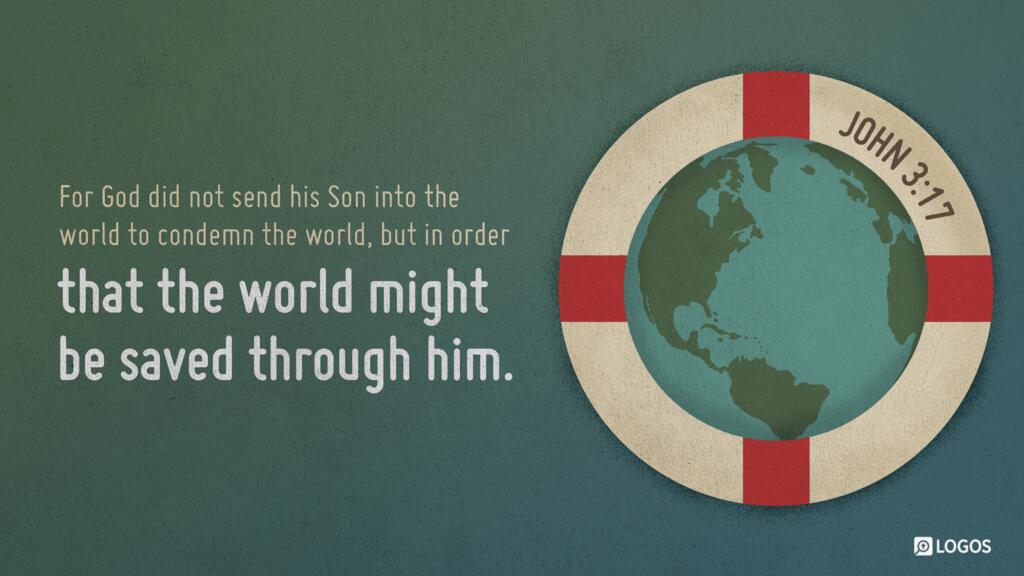
3:17For God did not send his Son into the world to condemn the world,40 but that the world should be saved through him. 3:18The one who believes in him is not condemned.41 The one who does not believe has been condemned42 already, because he has not believed in the name of the one and only43 Son of God. 3:19Now this is the basis for judging:44 that the light has come into the world and people45 loved the darkness rather than the light, because their deeds were evil. 3:20For everyone who does evil deeds hates the light and does not come to the light, so that their deeds will not be exposed. 3:21But the one who practices the truth comes to the light, so that it may be plainly evident that his deeds have been done in God.46
Footnotes
- 40 That is, “to judge the world to be guilty and liable to punishment.”
- 41 Grk “judged.”
- 42 Grk “judged.”
- 43 See the note on the term “one and only” in .
- 44 Or “this is the reason for God judging,” or “this is how judgment works.”
- 45 Grk “and men,” but in a generic sense, referring to people of both genders (as “everyone” in v. 20 makes clear).
- 46 John 3:16–21 provides an introduction to the (so-called) “realized” eschatology of the Fourth Gospel: Judgment has come; eternal life may be possessed now, in the present life, as well as in the future. The terminology “realized eschatology” was originally coined by E. Haenchen and used by J. Jeremias in discussion with C. H. Dodd, but is now characteristically used to describe Dodd’s own formulation. See L. Goppelt, Theology of the New Testament, 1:54, note 10, and R. E. Brown (John [], 1:) for further discussion. Especially important to note is the element of choice portrayed in John’s Gospel. If there is a twofold reaction to Jesus in John’s Gospel, it should be emphasized that that reaction is very much dependent on a person’s choice, a choice that is influenced by his way of life, whether his deeds are wicked or are done in God (John 3:20–21). For John there is virtually no trace of determinism at the surface. Only when one looks beneath the surface does one find statements like “no one can come to me, unless the Father who sent me draws him” (John 6:44).
The NET Bible First Edition, Copyright 1996-2005 by Biblical Studies Press
In other versions
ESVEnglish Standard Version
For God did not send his Son into the world to condemn the world, but in order that the world might be saved through him. Whoever believes in him is not condemned, but whoever does not believe is condemned already, because he has not believed in the name of the only Son of God. And this is the judgment: the light has come into the world, and people loved the darkness rather than the light because their works were evil. For everyone who does wicked things hates the light and does not come to the light, lest his works should be exposed. But whoever does what is true comes to the light, so that it may be clearly seen that his works have been carried out in God.”
Copyright 2001 Crossway Bibles
NIVNew International Version (2011)
For God did not send his Son into the world to condemn the world, but to save the world through him. Whoever believes in him is not condemned, but whoever does not believe stands condemned already because they have not believed in the name of God’s one and only Son. This is the verdict: Light has come into the world, but people loved darkness instead of light because their deeds were evil. Everyone who does evil hates the light, and will not come into the light for fear that their deeds will be exposed. But whoever lives by the truth comes into the light, so that it may be seen plainly that what they have done has been done in the sight of God.
Copyright 1973, 1978, 1984, 2011 Biblica, Inc.
CSBChristian Standard Bible
For God did not send his Son into the world to condemn the world, but to save the world through him. Anyone who believes in him is not condemned, but anyone who does not believe is already condemned, because he has not believed in the name of the one and only Son of God. This is the judgment: The light has come into the world, and people loved darkness rather than the light because their deeds were evil. For everyone who does evil hates the light and avoids it, so that his deeds may not be exposed. But anyone who lives by the truth comes to the light, so that his works may be shown to be accomplished by God.”
Copyright 2017 Holman Bible Publishers
NLTNew Living Translation
God sent his Son into the world not to judge the world, but to save the world through him.
“There is no judgment against anyone who believes in him. But anyone who does not believe in him has already been judged for not believing in God’s one and only Son. And the judgment is based on this fact: God’s light came into the world, but people loved the darkness more than the light, for their actions were evil. All who do evil hate the light and refuse to go near it for fear their sins will be exposed. But those who do what is right come to the light so others can see that they are doing what God wants.”
Holy Bible, New Living Translation, copyright © 1996, 2004, 2015 by Tyndale House Foundation. Used by permission of Tyndale House Publishers. All rights reserved.
LEBThe Lexham English Bible
For God did not send his Son into the world in order that he should judge the world, but in order that the world should be saved through him. The one who believes in him is not judged, but the one who does not believe has already been judged, because he has not believed in the name of the one and only Son of God. And this is the judgment: that the light has come into the world, and people loved the darkness rather than the light, because their deeds were evil. For everyone who practices evil hates the light and does not come to the light, lest his deeds be exposed. But the one who practices the truth comes to the light, in order that his deeds may be revealed, that they are done in God.
Copyright 2012 Lexham Press
KJV 1900King James Version
For God sent not his Son into the world to condemn the world; but that the world through him might be saved. He that believeth on him is not condemned: but he that believeth not is condemned already, because he hath not believed in the name of the only begotten Son of God. And this is the condemnation, that light is come into the world, and men loved darkness rather than light, because their deeds were evil. For every one that doeth evil hateth the light, neither cometh to the light, lest his deeds should be reproved. But he that doeth truth cometh to the light, that his deeds may be made manifest, that they are wrought in God.
Public Domain