2 Corinthians 4:5–7
The NET BibleOther versions
English
- NET The NET Bible
- DARBY 1890 Darby Bible
- ASV American Standard Version
- AV 1873 The Cambridge Paragraph Bible of the Authorized English Version
- CSB Christian Standard Bible
- D-R Douay-Rheims Bible
- ESV English Standard Version
- GW GOD’S WORD Translation
- GNB Good News Translation
- HCSB The Holman Christian Standard Bible
- KJV 1900 King James Version
- LSB Legacy Standard Bible
- LEB The Lexham English Bible
- MSG The Message: The Bible in Contemporary Language
- NASB95 New American Standard Bible (1995)
- NCV New Century Version
- NIrV New International Reader’s Version (1998)
- NIV New International Version (2011)
- NKJV The New King James Version
- NLT New Living Translation
- NRSVue New Revised Standard Version: Updated Edition
- RSV The Revised Standard Version
- RSVCE The Revised Standard Version, Catholic Edition
- YLT Young’s Literal Translation
Arabic
Czech
French
German
Greek
Hungarian
Italian
Korean
Latin
Portuguese
Russian
Simplified Chinese
Spanish
Traditional Chinese
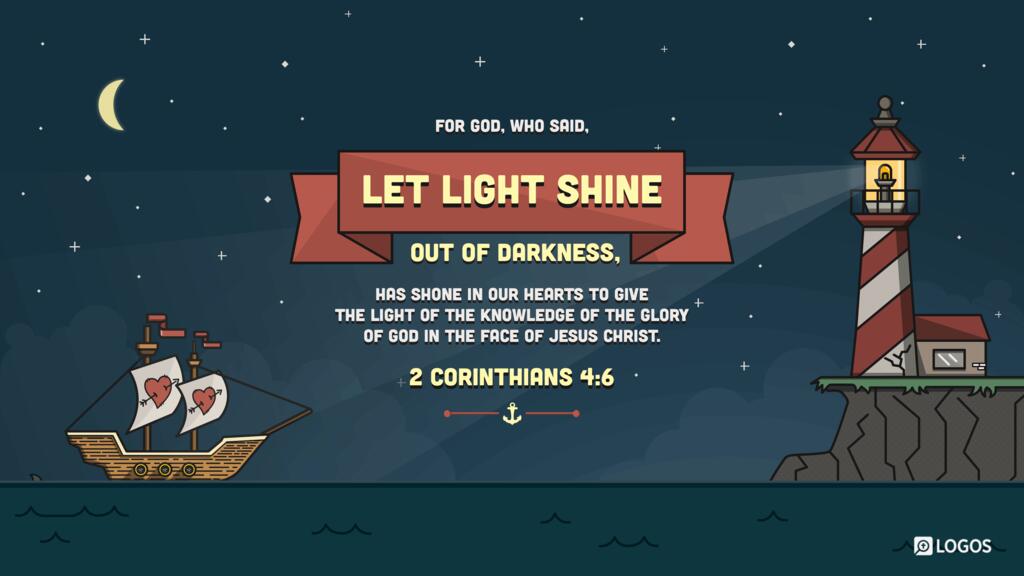
4:5For we do not proclaim10 ourselves, but Jesus Christ as Lord, and ourselves as your slaves11 for Jesus’ sake. 4:6For God, who said “Let light shine out of darkness,”12 is the one who shined in our hearts to give us the light of the glorious knowledge13 of God in the face of Christ.14
An Eternal Weight of Glory
4:7But we have this treasure in clay jars, so that the extraordinary power15 belongs to God and does not come from us.
Footnotes
- 10 Or “preach.”
- 11 Traditionally, “servants.” Though δοῦλος (doulos) is normally translated “servant,” the word does not bear the connotation of a free individual serving another. notes that “ ‘servant’ for ‘slave’ is largely confined to Biblical transl. and early American times … in normal usage at the present time the two words are carefully distinguished” ( ). The most accurate translation is “bondservant” (sometimes found in the for δοῦλος), in that it often indicates one who sells himself into slavery to another. But as this is archaic, few today understand its force.
- 12 An allusion to Gen 1:3; see also Isa 9:2.
- 13 Grk “the light of the knowledge of the glory”; δόξης (doxēs) has been translated as an attributive genitive.
- 14 Most witnesses, including several early and important ones (𝔓46 א C H Ψ 0209 1739c 𝔐 sy), read Ἰησοῦ Χριστοῦ (Iēsou Christou, “Jesus Christ”), while other important witnesses, especially of the Western text (D F G 0243 630 1739* 1881 lat Ambst), have Χριστοῦ Ἰησοῦ. The reading with just Χριστοῦ is found in A B 33 {sa} Tert {Or Ath Chr}. Even though the witnesses for the shorter reading are not numerous, they are weighty. And in light of the natural scribal proclivity to fill out the text, particularly with reference to divine names, as well as the discrepancy among the witnesses as to the order of the names, the simple reading Χριστοῦ seems to be the best candidate for authenticity. reads Ἰησοῦ Χριστοῦ with Ἰησοῦ in brackets, indicating doubts as to its authenticity.
- 15 Grk “the surpassingness of the power”; δυνάμεως (dunameōs) has been translated as an attributed genitive (“extraordinary power”).
The NET Bible First Edition, Copyright 1996-2005 by Biblical Studies Press
In other versions
ESVEnglish Standard Version
For what we proclaim is not ourselves, but Jesus Christ as Lord, with ourselves as your servants for Jesus’ sake. For God, who said, “Let light shine out of darkness,” has shone in our hearts to give the light of the knowledge of the glory of God in the face of Jesus Christ.
But we have this treasure in jars of clay, to show that the surpassing power belongs to God and not to us.
Copyright 2001 Crossway Bibles
NIVNew International Version (2011)
For what we preach is not ourselves, but Jesus Christ as Lord, and ourselves as your servants for Jesus’ sake. For God, who said, “Let light shine out of darkness,” made his light shine in our hearts to give us the light of the knowledge of God’s glory displayed in the face of Christ.
But we have this treasure in jars of clay to show that this all-surpassing power is from God and not from us.
Copyright 1973, 1978, 1984, 2011 Biblica, Inc.
CSBChristian Standard Bible
For we are not proclaiming ourselves but Jesus Christ as Lord, and ourselves as your servants for Jesus’s sake. For God who said, “Let light shine out of darkness,” has shone in our hearts to give the light of the knowledge of God’s glory in the face of Jesus Christ.
Now we have this treasure in clay jars, so that this extraordinary power may be from God and not from us.
Copyright 2017 Holman Bible Publishers
NLTNew Living Translation
You see, we don’t go around preaching about ourselves. We preach that Jesus Christ is Lord, and we ourselves are your servants for Jesus’ sake. For God, who said, “Let there be light in the darkness,” has made this light shine in our hearts so we could know the glory of God that is seen in the face of Jesus Christ.
We now have this light shining in our hearts, but we ourselves are like fragile clay jars containing this great treasure. This makes it clear that our great power is from God, not from ourselves.
Holy Bible, New Living Translation, copyright © 1996, 2004, 2015 by Tyndale House Foundation. Used by permission of Tyndale House Publishers. All rights reserved.
LEBThe Lexham English Bible
For we do not proclaim ourselves, but Christ Jesus as Lord, and ourselves as your slaves for the sake of Jesus. For God who said, “Light will shine out of darkness,” is the one who has shined in our hearts for the enlightenment of the knowledge of the glory of God in the face of Christ.
But we have this treasure in earthenware jars, in order that the extraordinary degree of the power may be from God and not from us.
Copyright 2012 Lexham Press
KJV 1900King James Version
For we preach not ourselves, but Christ Jesus the Lord; and ourselves your servants for Jesus’ sake. For God, who commanded the light to shine out of darkness, hath shined in our hearts, to give the light of the knowledge of the glory of God in the face of Jesus Christ.
But we have this treasure in earthen vessels, that the excellency of the power may be of God, and not of us.
Public Domain