Genesis 16:7–14
Douay-Rheims BibleOther versions
English
- D-R Douay-Rheims Bible
- DARBY 1890 Darby Bible
- ASV American Standard Version
- AV 1873 The Cambridge Paragraph Bible of the Authorized English Version
- CSB Christian Standard Bible
- ESV English Standard Version
- GW GOD’S WORD Translation
- GNB Good News Translation
- HCSB The Holman Christian Standard Bible
- KJV 1900 King James Version
- LSB Legacy Standard Bible
- LEB The Lexham English Bible
- MSG The Message: The Bible in Contemporary Language
- NET The NET Bible
- NASB95 New American Standard Bible (1995)
- NCV New Century Version
- NIrV New International Reader’s Version (1998)
- NIV New International Version (2011)
- NKJV The New King James Version
- NLT New Living Translation
- NRSVue New Revised Standard Version: Updated Edition
- RSV The Revised Standard Version
- RSVCE The Revised Standard Version, Catholic Edition
- YLT Young’s Literal Translation
Arabic
Czech
French
German
Hebrew
Hungarian
Italian
Korean
Latin
Portuguese
Russian
Simplified Chinese
Spanish
Traditional Chinese
7And the angel of the Lord having found her, by a fountain of water in the wilderness, which is in the way to Sur in the desert,
8He said to her: Agar, handmaid of Sarai, whence comest thou? and whither goest thou? And she answered: I flee from the face of Sarai, my mistress.
9And the angel of the Lord said to her: Return to thy mistress, and humble thyself under her hand.
10And again he said: I will multiply thy seed exceedingly, and it shall not be numbered for multitude.
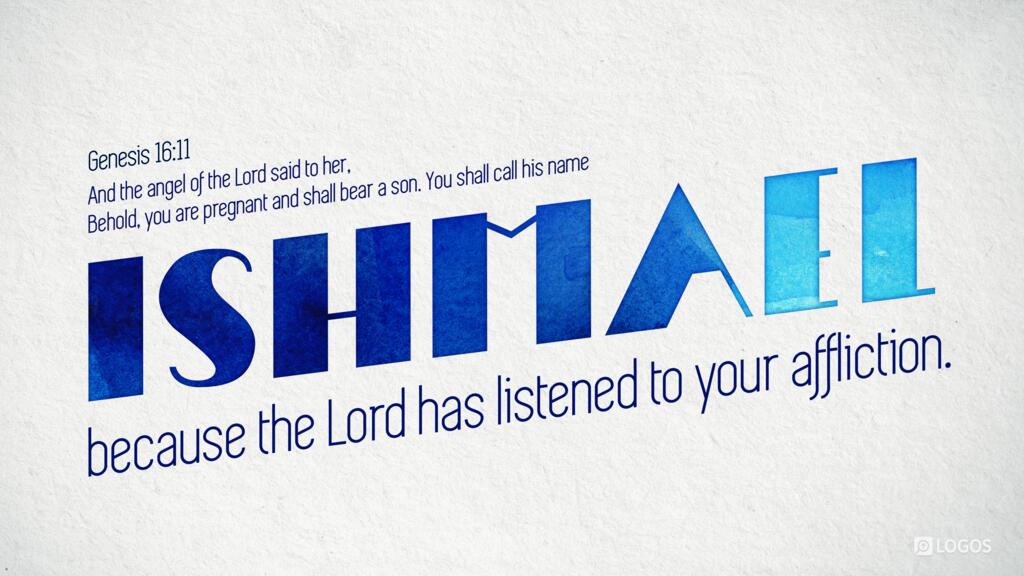
11And again: Behold, said he, thou art with child, and thou shalt bring forth a son: and thou shalt call his name Ismael, because the Lord hath heard thy affliction.
12He shall be a wild man: his hand will be against all men, and all men’s hands against him: and he shall pitch his tents over against all his brethren.
13And she called the name of the Lord that spoke unto her: Thou the God who hast seen me. For she said: Verily, here have I seen the hinder parts of him that seeth me.
14Therefore she called that well, the well of him that liveth and seeth me. The same is between Cades and Barad.
Public Domain